Seasonal Allergies in Dogs: Prevention and Treatment
Discover how to identify, prevent, and treat seasonal allergies in dogs with expert veterinary guidance and practical tips.
By the PetHeal Editorial Team · Published 2024-01-12 · Last reviewed 2025-10-30 · 2 min read
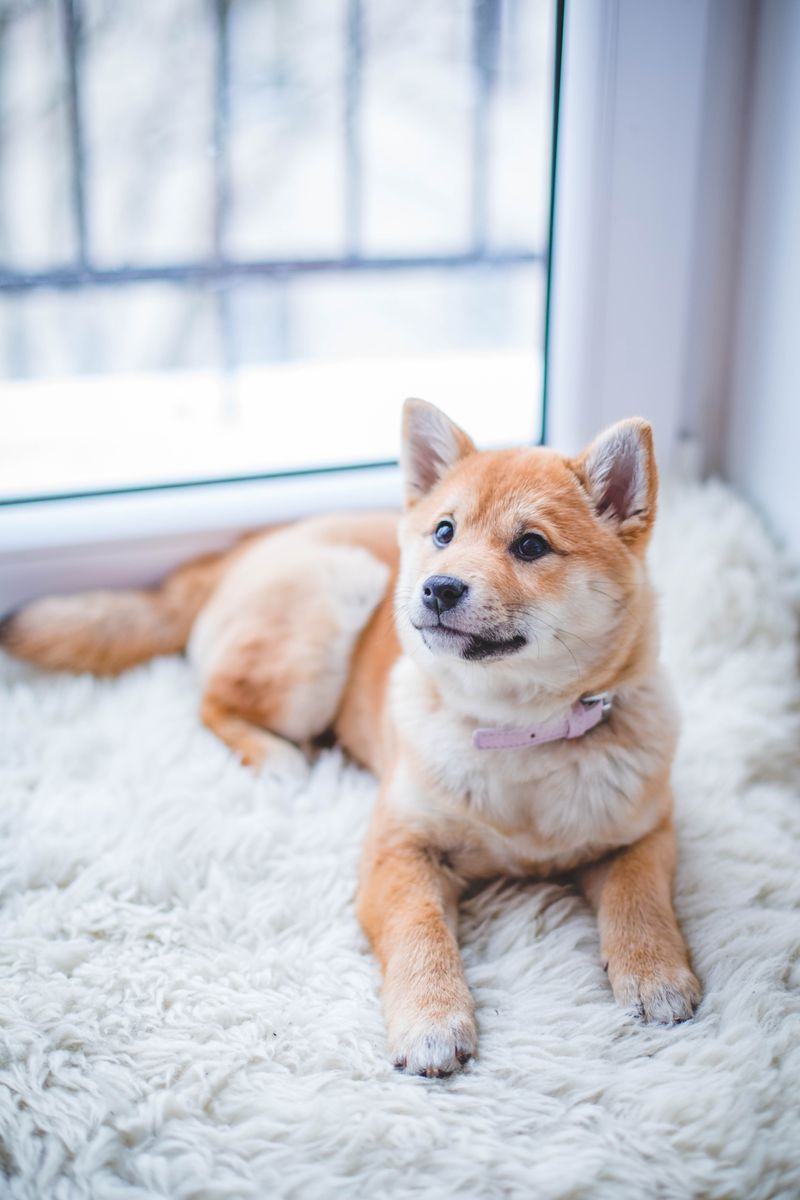
Seasonal allergies affect many dogs, especially during spring and fall when pollen counts are high. Understanding how to manage these allergies can significantly improve your dog's quality of life.
What Causes Seasonal Allergies?
Dogs can be allergic to various environmental allergens: - Tree pollen (spring) - Grass pollen (summer) - Weed pollen (fall) - Mold spores (year-round, worse in damp conditions)
Common Symptoms
Watch for these signs of seasonal allergies: - Excessive scratching or licking - Red, irritated skin - Watery eyes - Sneezing or coughing - Hair loss or hot spots - Ear infections - Paw chewing or licking
Prevention Strategies
- Limit Outdoor Exposure: Walk your dog during low pollen times (early morning or late evening)
- Wipe Down After Walks: Remove pollen from fur and paws
- Regular Bathing: Use hypoallergenic shampoos to remove allergens
- Air Filtration: Use HEPA filters in your home
- Keep Windows Closed: During high pollen days
Treatment Options
Over-the-Counter - Antihistamines (consult your vet for proper dosing) - Omega-3 fatty acid supplements
Prescription Treatments - Apoquel or Cytopoint injections - Corticosteroids for severe cases - Immunotherapy (allergy shots)
Natural Remedies - Oatmeal baths - Apple cider vinegar rinses - Local honey (controversial, limited evidence)
When to Visit the Vet
Contact your veterinarian if: - Symptoms persist for more than a week - Your dog develops skin infections - Over-the-counter treatments aren't effective - Your dog's quality of life is significantly affected
Early intervention can prevent complications and keep your dog comfortable throughout allergy season.